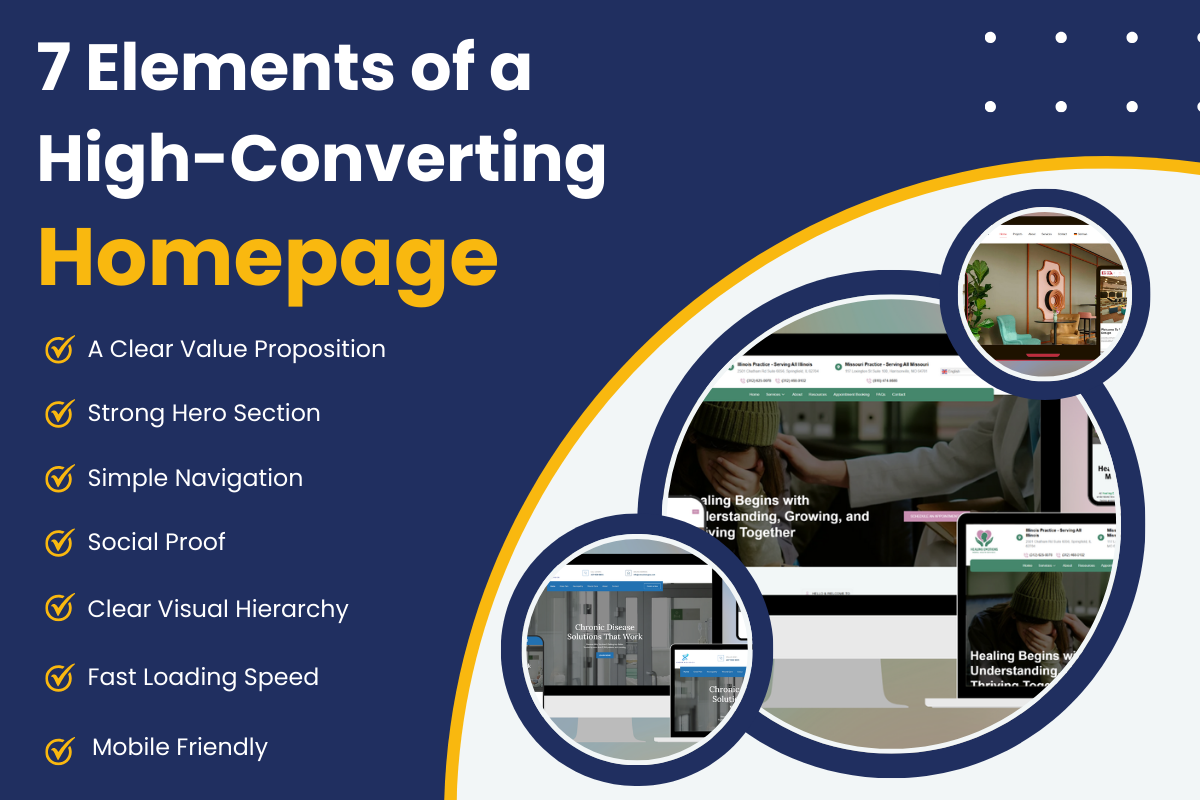

A slow website doesn’t just frustrate visitors — it costs you leads, sales, and Google visibility. In today’s online world, people expect websites to load within 2–3 seconds. Anything slower and most users simply leave.
If your website feels heavy, laggy, or takes forever to load, here’s why — and how you can fix it.
1. Unoptimized Images (The #1 Reason)
Large, heavy images can slow down your entire site.
Many websites upload photos straight from a camera or Canva without compressing them — these files are HUGE.
How to Fix It:
- Compress images before uploading
- Use WebP format
- Use plugins like Converter for Media, Smush, or ShortPixel
2. Too Many Plugins
Plugins add features, but too many of them can make your website slow, especially if they run background scripts or load unnecessary files.
How to Fix It:
- Remove plugins you don’t use
- Replace multiple plugins with one good all-in-one plugin
- Avoid outdated or heavy plugins
3. Poor Hosting
Cheap or low-quality hosting often means shared servers with limited speed and resources.
How to Fix It:
Choose a reliable host such as:
- Hostinger
- SiteGround
- WPX Hosting
- Cloudways
Good hosting alone can dramatically improve loading time.
4. No Caching
Caching temporarily stores your website data so pages load faster the next time visitors open them.
Without caching, your site loads everything from scratch — every time.
How to Fix It:
Install caching plugins like:
- WP Super Cache
- W3 Total Cache
- WP Rocket (premium)
5. Outdated Themes or Poor Code
Some themes are poorly coded, heavy, or contain unnecessary features. This slows the site even if the design looks nice.
How to Fix It:
- Use lightweight themes like Astra, Hello Elementor, or GeneratePress
- Remove unused sections or elements
- Update your theme regularly
6. Unoptimized Database
As your site grows, your database collects extra data (revisions, logs, spam comments).
Over time, this slows everything down.
How to Fix It:
Use database cleanup tools like:
- WP-Optimize
- Advanced Database Cleaner
7. Not Mobile-Friendly
If your site loads slowly on phones, it’s often due to large images, heavy animations, or layouts that aren’t optimized.
How to Fix It:
Use a mobile-first design and test your site on Google’s Mobile Speed Test.
⭐ Conclusion
A fast website doesn’t just feel good — it helps you rank higher on Google, reduce bounce rates, and convert more customers.
The good news?
Most speed issues can be fixed with smart design, better optimization, and the right tools.
If your website feels slow or outdated, a speed audit or redesign may be the best next step to improve performance and user experience.